
The Dawn of Dewy: Vegan Skincare Rituals for a Radiant 2025
Cleansing: The Foundation of Vegan Radiance
In 2025, the understanding of cleansing goes beyond merely removing makeup and dirt. It’s about nurturing the skin’s delicate microbiome and respecting its natural barrier. The year’s top trend? Pre-cleansing. This involves using an oil-based cleanser or balm to dissolve makeup, sunscreen, and excess sebum before using a water-based cleanser. Think of it as a gentle, double-layered hug for your face.
-
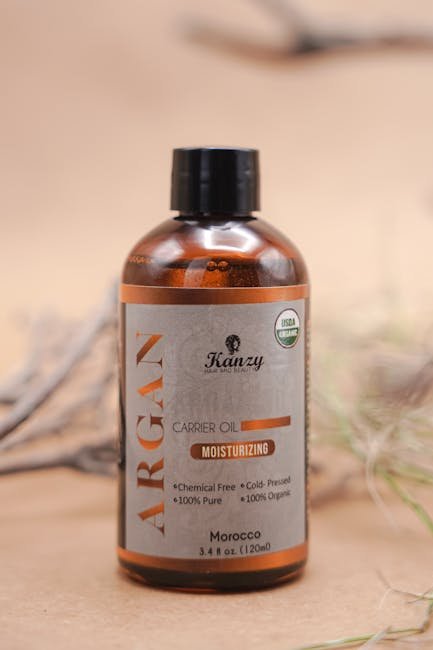
Oil-Based Cleansers (First Cleanse): Look for formulations rich in plant-derived oils like grapeseed, sunflower, jojoba, and argan. These oils are structurally similar to the skin’s natural sebum, making them highly effective at dissolving impurities without stripping the skin. Avoid mineral oil, a common yet comedogenic ingredient. The best ones will emulsify with water, meaning they transform into a milky texture for easy rinsing. Ingredients like squalane (vegan sourced, usually from olives or sugarcane) are increasingly popular for their emollient and antioxidant properties.
-
Water-Based Cleansers (Second Cleanse): This step removes residual dirt and oil. Gentle gel or cream cleansers formulated with ingredients like aloe vera, chamomile, and green tea extract are ideal. Avoid harsh sulfates like Sodium Lauryl Sulfate (SLS) and Sodium Laureth Sulfate (SLES), opting instead for milder alternatives like Coco-Glucoside or Decyl Glucoside, derived from coconut and corn starch, respectively. Micellar water, with its ability to attract and lift away impurities, remains a relevant and effective option for this step, particularly for those with sensitive skin. 2025 micellar waters often feature prebiotics to support a healthy skin microbiome.
-
Cleansing Tools: Eco-friendly options are paramount. Bamboo washcloths, reusable cotton pads made from organic cotton or hemp, and sonic cleansing brushes with biodegradable brush heads are the future. Avoid single-use wipes, which contribute significantly to environmental waste.
-
Technique Matters: Gently massage the cleanser onto damp skin in circular motions for at least 60 seconds. This allows the ingredients to properly penetrate and loosen impurities. Rinse thoroughly with lukewarm water. Pat the skin dry with a soft towel – avoid rubbing, which can cause irritation.
Toning: Balancing Act for a Harmonious Complexion
Toners in 2025 are no longer harsh astringents designed to strip the skin of its oils. Instead, they are hydrating and pH-balancing formulations designed to prep the skin for subsequent steps in the skincare routine. Key ingredients include:
-
Hydrating Toners: Rosewater, aloe vera, hyaluronic acid (vegan sourced through bacterial fermentation), and glycerin are powerful humectants that draw moisture into the skin. Look for toners that also contain soothing ingredients like calendula and allantoin to calm irritation and redness.
-
Exfoliating Toners: These contain gentle chemical exfoliants like AHAs (Alpha Hydroxy Acids) such as glycolic acid (derived from sugarcane) and lactic acid (derived from fermented plant sources), and BHAs (Beta Hydroxy Acids) such as salicylic acid (often derived from willow bark extract). These acids help to remove dead skin cells, unclog pores, and improve skin texture and tone. Polyhydroxy acids (PHAs), like gluconolactone, are gaining popularity due to their gentler exfoliating action and added hydrating benefits, making them suitable for sensitive skin.
-
Balancing Toners: These formulations focus on restoring the skin’s natural pH level, which can be disrupted by cleansing. Look for ingredients like apple cider vinegar (diluted and buffered) or probiotic lysates, which help to support a healthy skin microbiome.
-
Application: Apply toner to a cotton pad or directly onto the skin using your fingertips. Avoid the eye area. Allow the toner to absorb fully before applying the next product.
Serums: Targeted Treatments for Specific Concerns
Serums are highly concentrated treatments designed to address specific skin concerns, such as aging, hyperpigmentation, acne, or dehydration. In 2025, potent plant-based ingredients are at the forefront:
-
Vitamin C Serums: A powerhouse antioxidant that brightens the skin, protects against free radical damage, and boosts collagen production. Look for stable forms of Vitamin C, such as Sodium Ascorbyl Phosphate or Magnesium Ascorbyl Phosphate, which are less prone to oxidation than L-Ascorbic Acid. Ferulic acid, often added to Vitamin C serums, enhances its stability and efficacy.
-
Hyaluronic Acid Serums: An intensely hydrating ingredient that can hold up to 1000 times its weight in water. It plumps the skin, reduces the appearance of fine lines and wrinkles, and improves overall skin texture.
-
Retinol Alternatives: Bakuchiol, a plant-derived ingredient from the babchi plant, is a popular retinol alternative that offers similar benefits, such as reducing fine lines, wrinkles, and hyperpigmentation, without the irritation and sensitivity often associated with retinol. Other natural alternatives like rosehip oil (rich in Vitamin A) and rambutan extract are also gaining traction.
-
Niacinamide Serums: A form of Vitamin B3 that helps to reduce inflammation, minimize pores, improve skin tone, and strengthen the skin barrier.
-
Peptide Serums: Peptides are short chains of amino acids that act as building blocks for proteins like collagen and elastin. They help to improve skin firmness, elasticity, and texture. Common vegan peptides include Palmitoyl Pentapeptide-4 and Matrixyl 3000.
-
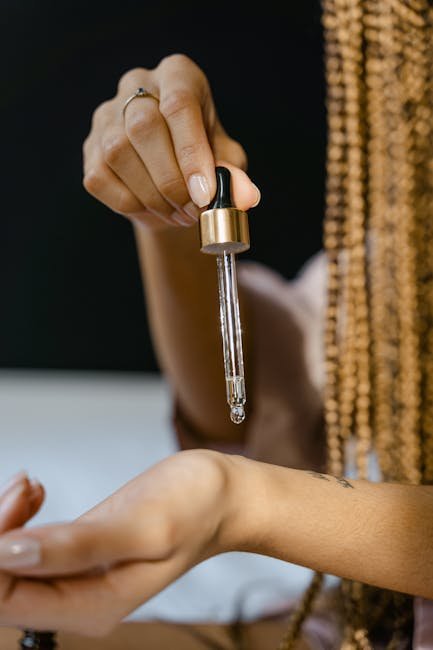
Application: Apply a few drops of serum to clean, toned skin. Gently pat or massage into the skin until fully absorbed. Follow with moisturizer.
Moisturizing: Sealing in Hydration for a Supple Feel
Moisturizers are essential for maintaining the skin’s hydration levels and protecting it from environmental aggressors. Vegan moisturizers in 2025 prioritize rich, plant-based emollients and occlusives:
-
Emollients: Ingredients that soften and smooth the skin, such as shea butter, cocoa butter, mango butter, and plant-derived squalane. These ingredients fill in the gaps between skin cells, creating a smoother and more even texture.
-
Occlusives: Ingredients that create a protective barrier on the skin’s surface, preventing moisture loss. Common vegan occlusives include plant waxes like candelilla wax and carnauba wax, as well as shea butter and cocoa butter.
-
Humectants: Ingredients that draw moisture into the skin, such as hyaluronic acid, glycerin, and aloe vera. These ingredients help to keep the skin hydrated and plump.
-
Lightweight Moisturizers: Ideal for oily or combination skin. Look for gel or lotion formulations with ingredients like aloe vera, green tea extract, and hyaluronic acid.
-
Rich Moisturizers: Suitable for dry or mature skin. Creamy formulations with shea butter, cocoa butter, and plant oils provide intense hydration and nourishment.
-
Application: Apply moisturizer to clean, serum-treated skin. Gently massage into the skin until fully absorbed. Use both morning and night.
Sun Protection: Shielding Against Photoaging
Sunscreen is non-negotiable, regardless of the weather. In 2025, mineral sunscreens are the gold standard, offering broad-spectrum protection without harming coral reefs.
-
Mineral Sunscreens: These contain zinc oxide and titanium dioxide, which are physical blockers that sit on top of the skin and reflect UV rays. Look for formulations that are “non-nano,” meaning the particles are larger and less likely to be absorbed into the skin.
-
Chemical Sunscreens: While effective, some chemical sunscreen ingredients have been linked to coral reef damage and potential hormone disruption. If opting for a chemical sunscreen, choose newer generation formulas with ingredients like Tinosorb S and Uvinul A Plus, which are considered safer alternatives.
-
Application: Apply sunscreen liberally to all exposed skin 15-30 minutes before sun exposure. Reapply every two hours, or more frequently if swimming or sweating. Don’t forget to apply to the neck, ears, and back of the hands.
Exfoliation: Sloughing Away Dullness
Exfoliation removes dead skin cells, revealing brighter, smoother, and more radiant skin. In 2025, gentle and sustainable exfoliation methods are preferred:
-
Physical Exfoliants: Gentle scrubs with finely ground plant-based particles like jojoba beads, rice bran powder, or bamboo powder. Avoid harsh scrubs with large, jagged particles, which can cause micro-tears in the skin.
-
Chemical Exfoliants: AHAs (Alpha Hydroxy Acids), BHAs (Beta Hydroxy Acids), and PHAs (Polyhydroxy Acids) dissolve the bonds between dead skin cells, allowing them to be easily removed.
-
Enzyme Exfoliants: Papaya and pineapple enzymes gently exfoliate the skin without irritation.
-
Frequency: Exfoliate 1-3 times per week, depending on skin type and the type of exfoliant used.
Masks: Targeted Treatment Boosters
Masks provide an extra boost of hydration, nourishment, or purification to the skin. In 2025, biodegradable sheet masks and DIY mask recipes using natural ingredients are gaining popularity:
-
Hydrating Masks: Formulated with hyaluronic acid, aloe vera, and plant oils to replenish moisture and plump the skin.
-
Clay Masks: Bentonite clay and kaolin clay absorb excess oil and impurities, making them ideal for oily or acne-prone skin.
-
Exfoliating Masks: Contain AHAs, BHAs, or enzymes to gently exfoliate the skin.
-
DIY Masks: Recipes using ingredients like avocado, honey (check for ethical sourcing if considering vegan alternatives exist such as maple syrup), oats, and yogurt (vegan yogurt) provide natural and effective skincare benefits.
-
Application: Apply mask to clean skin. Leave on for 10-20 minutes, or as directed on the product label. Rinse thoroughly with lukewarm water.
Eye Care: Addressing Delicate Skin
The skin around the eyes is thinner and more delicate than the rest of the face, making it prone to dryness, wrinkles, and dark circles.
-
Eye Creams: Formulated with hydrating ingredients, antioxidants, and peptides to address these concerns. Look for ingredients like hyaluronic acid, Vitamin C, caffeine (to reduce puffiness), and peptides (to improve firmness).
-
Eye Serums: Lighter in texture than eye creams, serums can be applied before or after eye cream for an added boost of hydration and targeted treatment.
-
Application: Gently pat eye cream or serum around the eye area using your ring finger. Avoid pulling or stretching the skin.
Sustainable Packaging and Ethical Sourcing:
Beyond the ingredients themselves, 2025 skincare emphasizes sustainability. Look for products packaged in recyclable glass, aluminum, or biodegradable materials. Support brands committed to ethical sourcing of ingredients and fair labor practices. Certifications like Leaping Bunny and Vegan Society guarantee cruelty-free and vegan formulations. Transparency is key – brands should be open about their sourcing and manufacturing processes. Consumers are empowered to make informed choices that align with their values and contribute to a healthier planet.