
Vegan Skincare for Success: A Guide for Professional Women
In today’s competitive landscape, professional women understand that projecting confidence and competence is paramount. While skills and experience are foundational, a polished appearance can significantly enhance one’s perceived credibility and approachability. Skincare, therefore, is no longer a luxury but a strategic investment in one’s career. This guide delves into the burgeoning world of vegan skincare, offering professional women a sustainable and effective path to radiant skin, aligning personal values with professional goals.
Why Vegan Skincare? Beyond the Ethical Considerations
Vegan skincare excludes all animal-derived ingredients and byproducts. This extends beyond just avoiding animal testing, which is often confused with veganism. Ingredients like beeswax, honey, lanolin (from sheep’s wool), collagen (from animal connective tissues), and carmine (derived from insects) are strictly prohibited in vegan formulations.
While ethical considerations regarding animal welfare are a driving force for many, the benefits of vegan skincare often extend to the skin itself:
- Potentially gentler formulations: Vegan skincare often relies on plant-based ingredients known for their soothing and nourishing properties. This can be particularly beneficial for women with sensitive or reactive skin. Many synthetic ingredients in conventional skincare can be harsh and irritating, which plant-based alternatives may help avoid.
- Rich in antioxidants and vitamins: Plants are naturally abundant in antioxidants like Vitamin C, Vitamin E, and polyphenols. These antioxidants combat free radical damage, which is a major contributor to premature aging, dullness, and uneven skin tone. Professional women facing high-stress environments can significantly benefit from the protective effects of these ingredients.
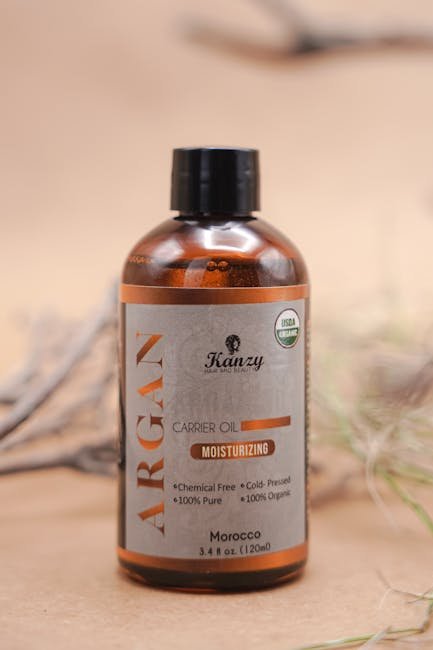
- Improved skin hydration: Many plant-based oils, like jojoba oil, argan oil, and squalane (often derived from olives in vegan formulas), are excellent emollients, mimicking the skin’s natural sebum and providing deep hydration without clogging pores. Dehydrated skin appears dull and can accentuate fine lines, making proper hydration crucial for a youthful, professional appearance.
- Sustainable and environmentally conscious: Choosing vegan skincare supports brands committed to sustainable practices, reducing your environmental footprint. This aligns with a growing trend towards ethical consumption and can enhance your image as a responsible and forward-thinking individual.
- Reduced risk of allergic reactions: Although allergies can occur with any ingredient, plant-based ingredients are sometimes perceived as less likely to cause allergic reactions compared to some synthetic or animal-derived components. This is a general observation and individual sensitivities always vary.
Identifying Truly Vegan Skincare: Decoding Labels and Certifications
The term “vegan” isn’t universally regulated in the cosmetic industry. This necessitates careful scrutiny of product labels and certifications to ensure authenticity.
-
Ingredient Lists: Meticulously examine the ingredient list. Be wary of ambiguous terms that may mask animal-derived ingredients. Some common non-vegan ingredients to watch out for include:
- Beeswax (Cera Alba)
- Honey (Mel)
- Lanolin
- Carmine (CI 75470)
- Collagen
- Elastin
- Glycerin (ensure it’s vegetable-derived)
- Hyaluronic Acid (ensure it’s microbial fermentation-derived)
- Keratin
- Squalene (ensure it’s plant-derived, often olive-derived)
- Tallow (Sodium Tallowate)
-
Vegan Certifications: Look for certifications from reputable organizations such as:
- The Vegan Society Trademark
- Certified Vegan (Vegan Action)
- PETA Cruelty-Free and Vegan
- Choose Cruelty Free (CCF)
These certifications provide assurance that the product has undergone rigorous review and meets stringent vegan standards.
-
Company Ethics: Research the brand’s overall ethics and sustainability practices. A company genuinely committed to veganism will often be transparent about its sourcing, manufacturing processes, and animal testing policies. Many ethical brands will explicitly state their cruelty-free status, even if they don’t have formal certification.
Building a Vegan Skincare Routine for Professional Women
A well-structured skincare routine is essential for maintaining healthy, radiant skin. This vegan routine incorporates key steps and ingredient recommendations specifically tailored to the needs of professional women:
1. Cleansing:
- Purpose: Removes makeup, dirt, oil, and pollution accumulated throughout the day. Proper cleansing is crucial for preventing clogged pores and breakouts.
- Vegan Options: Choose gentle, sulfate-free cleansers formulated with plant-based surfactants like coco glucoside or decyl glucoside. Look for ingredients like aloe vera, chamomile, and green tea extract for soothing and anti-inflammatory benefits.
- Considerations:
- For dry skin: Opt for a creamy or oil-based cleanser.
- For oily skin: Use a gel or foaming cleanser.
- For combination skin: A gentle, pH-balanced cleanser is ideal.
- Frequency: Twice daily, morning and evening.
2. Toning:
- Purpose: Balances the skin’s pH after cleansing, removes any remaining residue, and prepares the skin for subsequent treatments.
- Vegan Options: Alcohol-free toners formulated with floral waters (rose, lavender, chamomile), hydrating humectants (glycerin, hyaluronic acid – plant-derived), and antioxidants (green tea, white tea) are excellent choices.
- Considerations:
- For dry skin: Choose a hydrating and soothing toner.
- For oily skin: Select a toner with mild exfoliating properties (like willow bark extract) to help control excess oil.
- Frequency: Twice daily, after cleansing.
3. Serum:
- Purpose: Delivers concentrated active ingredients to target specific skin concerns, such as wrinkles, hyperpigmentation, or dehydration.
- Vegan Options:
- Vitamin C Serum: Brightens the skin, evens skin tone, and protects against free radical damage. Look for stable forms of Vitamin C like sodium ascorbyl phosphate or magnesium ascorbyl phosphate.
- Hyaluronic Acid Serum: Provides intense hydration and plumps the skin, reducing the appearance of fine lines. Ensure the hyaluronic acid is derived from microbial fermentation.
- Retinol Alternative Serum: Bakuchiol, a plant-derived ingredient, offers similar anti-aging benefits to retinol without the potential for irritation.
- Niacinamide Serum: Minimizes pore size, improves skin texture, and reduces redness and inflammation.
- Considerations: Choose a serum based on your specific skin concerns. Start with a low concentration and gradually increase as tolerated.
- Frequency: Once or twice daily, after toning.
4. Moisturizing:
- Purpose: Hydrates and protects the skin barrier, preventing moisture loss and maintaining skin elasticity.
- Vegan Options: Choose moisturizers formulated with plant-based oils (jojoba, argan, rosehip), shea butter, cocoa butter, and hydrating ingredients like hyaluronic acid and glycerin.
- Considerations:
- For dry skin: Opt for a rich, emollient cream.
- For oily skin: Choose a lightweight, oil-free lotion or gel.
- For combination skin: A balanced moisturizer that provides hydration without being too heavy.
- Frequency: Twice daily, after serum.
5. Sunscreen:
- Purpose: Protects the skin from harmful UV radiation, preventing premature aging, sun damage, and skin cancer.
- Vegan Options: Mineral sunscreens containing zinc oxide and titanium dioxide are naturally vegan. Look for formulations that are also “reef-safe” to minimize environmental impact.
- Considerations: Choose a broad-spectrum sunscreen with an SPF of 30 or higher.
- Frequency: Every morning, even on cloudy days. Reapply every two hours when exposed to direct sunlight.
6. Exfoliation (Weekly):
- Purpose: Removes dead skin cells, revealing brighter, smoother skin and allowing for better absorption of other skincare products.
- Vegan Options:
- Physical Exfoliants: Gentle scrubs with jojoba beads or rice powder. Avoid harsh scrubs with crushed nuts or seeds, which can cause micro-tears in the skin.
- Chemical Exfoliants: AHAs (alpha hydroxy acids) like glycolic acid (often derived synthetically) and lactic acid (can be plant-derived or microbial fermentation-derived) and BHAs (beta hydroxy acids) like salicylic acid (synthetic).
- Considerations: Exfoliate 1-3 times per week, depending on your skin type and tolerance. Over-exfoliating can irritate the skin.
- Frequency: 1-3 times per week.
Addressing Specific Skin Concerns of Professional Women
Professional women often face specific skincare challenges related to stress, travel, and long hours:
- Stress-Induced Breakouts: Stress hormones can trigger oil production, leading to breakouts. Incorporate spot treatments containing salicylic acid or tea tree oil to target blemishes. Manage stress through exercise, meditation, and adequate sleep.
- Dehydration from Travel: Air travel can dehydrate the skin. Use a hydrating face mist throughout the flight and apply a rich moisturizer before and after travel.
- Eye Bags and Dark Circles: Lack of sleep and stress can contribute to eye bags and dark circles. Use an eye cream containing caffeine, vitamin K, or peptides to improve circulation and reduce inflammation. Get adequate sleep and stay hydrated.
- Dullness and Fatigue: Long hours and lack of sleep can make the skin appear dull and tired. Use a Vitamin C serum to brighten the complexion and a gentle exfoliating scrub to remove dead skin cells. Consider facial massages to improve circulation.
Choosing Vegan Makeup:
Extending your vegan commitment to makeup is the next logical step. Many brands now offer vegan-friendly makeup lines. Pay close attention to ingredient lists, as common non-vegan ingredients in makeup include carmine (red pigment), beeswax, and lanolin. Look for vegan certifications on makeup products as well.
Dietary Considerations:
Remember that topical skincare is only one piece of the puzzle. A healthy diet rich in fruits, vegetables, and healthy fats is essential for overall skin health. Incorporate foods rich in antioxidants, vitamins, and minerals to nourish your skin from the inside out. Stay hydrated by drinking plenty of water throughout the day.
Consulting a Dermatologist:
If you have persistent skin concerns or are unsure about which products are right for your skin, consult a dermatologist. A dermatologist can assess your skin type, identify any underlying conditions, and recommend a personalized skincare routine. They can also advise on the suitability of vegan options.
Investing in vegan skincare is an investment in your confidence, well-being, and professional success. By choosing ethical, sustainable, and effective products, professional women can achieve radiant skin while aligning with their personal values.