
Step-by-Step Vegan Night Skincare Routine for Radiant Skin
Understanding the Importance of Nighttime Skincare
Before diving into the specific steps, it’s crucial to understand why a dedicated nighttime skincare routine is so vital for achieving radiant, healthy skin. During the day, our skin acts primarily as a shield, defending against environmental aggressors like UV radiation, pollution, and blue light. At night, however, our skin shifts gears into repair and regeneration mode. This is when cell turnover is at its peak, collagen production ramps up, and the skin’s permeability increases, allowing it to better absorb the active ingredients in your skincare products. A well-structured nighttime routine leverages these natural processes to maximize repair, hydration, and overall skin health.
Step 1: The Double Cleanse – Removing the Day’s Grime
The double cleanse is the cornerstone of any effective nighttime skincare routine, especially when aiming for radiant skin. One cleanse simply isn’t enough to remove all traces of makeup, sunscreen, pollutants, and excess sebum that accumulate throughout the day. These build-ups can clog pores, leading to breakouts and dullness, hindering the efficacy of subsequent skincare steps.
-
Oil-Based Cleanser (First Cleanse): Start with a gentle, vegan oil-based cleanser. Look for ingredients like sunflower oil, jojoba oil, or grapeseed oil. These oils effectively dissolve makeup, including waterproof formulations, as well as sebum and impurities without stripping the skin of its natural moisture.
- Application: Apply a generous amount of the oil cleanser to dry skin. Gently massage it in circular motions for at least one minute, paying particular attention to areas with heavy makeup or congestion. Add a little water to emulsify the oil, transforming it into a milky consistency. Continue massaging for another 30 seconds before rinsing thoroughly with lukewarm water.
-
Water-Based Cleanser (Second Cleanse): Follow up with a water-based cleanser to remove any remaining residue from the oil cleanser and further purify the pores. Opt for a gentle, vegan cleanser formulated for your specific skin type.
-
For Dry Skin: Choose a cream or milk cleanser with hydrating ingredients like hyaluronic acid or aloe vera.
-
For Oily or Acne-Prone Skin: Select a gel or foam cleanser with ingredients like salicylic acid or tea tree oil to help control oil production and prevent breakouts.
-
For Sensitive Skin: Look for a fragrance-free, hypoallergenic cleanser with soothing ingredients like chamomile or oat extract.
-
Application: Apply a small amount of the water-based cleanser to damp skin. Gently massage it in circular motions for about one minute, avoiding the delicate eye area. Rinse thoroughly with lukewarm water.
-
Step 2: Exfoliation – Unveiling a Brighter Complexion
Exfoliation is essential for removing dead skin cells that can dull the complexion, clog pores, and prevent skincare products from penetrating effectively. Regular exfoliation promotes cell turnover, revealing smoother, brighter, and more radiant skin. Choose a vegan exfoliant that suits your skin type and concerns.
-
Chemical Exfoliants (AHAs/BHAs): These exfoliants use acids to dissolve the bonds between dead skin cells.
-
AHAs (Alpha Hydroxy Acids): Glycolic acid and lactic acid are common AHAs. They’re effective for improving skin texture, reducing fine lines and wrinkles, and brightening the complexion. They are generally better for dry to normal skin.
-
BHAs (Beta Hydroxy Acids): Salicylic acid is a common BHA. It penetrates deeper into the pores to dissolve oil and debris, making it ideal for oily, acne-prone skin.
-
Application: Apply a thin layer of the chemical exfoliant to clean, dry skin, avoiding the eye area. Follow the instructions on the product label, as some may require rinsing after a certain amount of time. Start with a low concentration and gradually increase it as your skin tolerates it. Use 1-3 times per week, depending on your skin’s sensitivity.
-
-
Physical Exfoliants (Scrubs): These exfoliants use small particles to manually scrub away dead skin cells.
-
Caution: Physical exfoliants can be abrasive and may not be suitable for sensitive skin or those with active breakouts. Choose a scrub with fine, gentle particles like jojoba beads or rice powder. Avoid harsh scrubs with large, jagged particles that can cause micro-tears in the skin.
-
Application: Apply a small amount of the scrub to damp skin. Gently massage it in circular motions for about one minute, avoiding the eye area. Rinse thoroughly with lukewarm water. Use 1-2 times per week, depending on your skin’s sensitivity.
-
Step 3: Toner – Balancing and Preparing the Skin
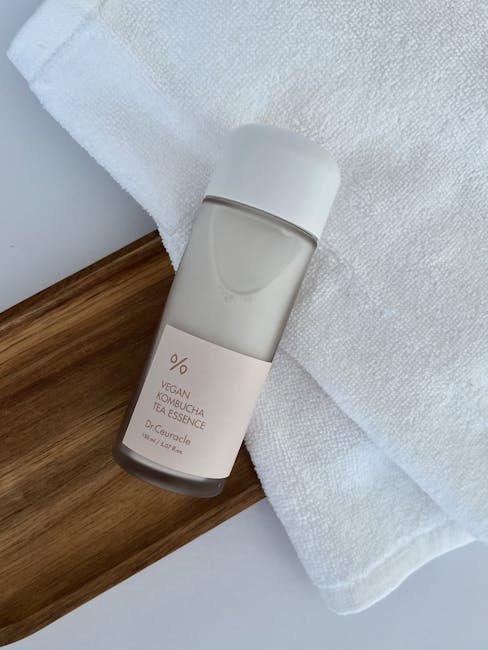
Toner helps to balance the skin’s pH level after cleansing and prepares it to better absorb subsequent skincare products. Choose a vegan toner that addresses your specific skin concerns.
-
Hydrating Toners: Look for toners with ingredients like hyaluronic acid, glycerin, or aloe vera to replenish moisture and soothe the skin. These are suitable for all skin types, especially dry or dehydrated skin.
-
Balancing Toners: These toners often contain ingredients like rosewater or green tea extract to help balance oil production and minimize pores. They are beneficial for oily or combination skin.
-
Exfoliating Toners: Some toners contain gentle exfoliating acids like glycolic acid or salicylic acid to further remove dead skin cells and brighten the complexion. Use these sparingly, especially if you’re already using a separate exfoliant.
- Application: Apply a small amount of the toner to a cotton pad or directly to your palms. Gently pat or swipe it over your face and neck, avoiding the eye area. Allow the toner to absorb completely before moving on to the next step.
Step 4: Serum – Targeting Specific Skin Concerns
Serums are highly concentrated treatments that deliver potent ingredients directly to the skin. They are designed to target specific skin concerns like fine lines, wrinkles, hyperpigmentation, acne, or dehydration. Choose a vegan serum that addresses your individual needs.
-
Hyaluronic Acid Serum: This serum is a hydration powerhouse, attracting and retaining moisture in the skin. It’s suitable for all skin types, especially dry or dehydrated skin.
-
Vitamin C Serum: This serum is a powerful antioxidant that helps to brighten the complexion, reduce hyperpigmentation, and protect the skin from free radical damage. It’s suitable for most skin types, but those with sensitive skin may experience irritation. Start with a low concentration and gradually increase it as your skin tolerates it.
-
Retinol Serum: Retinol is a form of vitamin A that helps to reduce fine lines and wrinkles, improve skin texture, and promote cell turnover. It’s a potent ingredient that can cause irritation, so start with a low concentration and use it sparingly, 1-3 times per week. Always wear sunscreen during the day when using retinol, as it can increase sun sensitivity. Look for vegan alternatives to retinol like bakuchiol.
-
Niacinamide Serum: Niacinamide (vitamin B3) helps to reduce inflammation, minimize pores, improve skin tone, and control oil production. It’s suitable for most skin types, including sensitive skin.
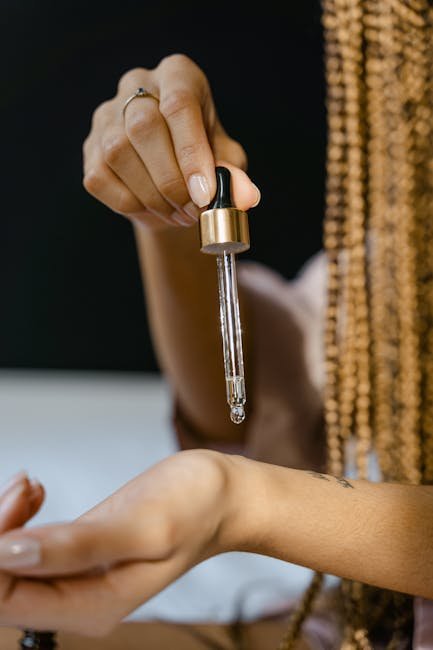
- Application: Apply a few drops of the serum to clean, toned skin. Gently massage it into your face and neck, avoiding the eye area. Allow the serum to absorb completely before moving on to the next step.
Step 5: Eye Cream – Nourishing the Delicate Eye Area
The skin around the eyes is thinner and more delicate than the rest of the face, making it more prone to dryness, wrinkles, and dark circles. A dedicated eye cream is formulated to address these specific concerns.
-
Hydrating Eye Cream: Look for eye creams with ingredients like hyaluronic acid, ceramides, or shea butter to hydrate and plump the skin around the eyes.
-
Brightening Eye Cream: These eye creams often contain ingredients like vitamin C, niacinamide, or caffeine to help reduce dark circles and brighten the eye area.
-
Anti-Aging Eye Cream: Look for eye creams with ingredients like retinol (or bakuchiol), peptides, or antioxidants to help reduce fine lines and wrinkles around the eyes.
- Application: Apply a small amount of the eye cream to the skin around the eyes, using your ring finger to gently pat it in. Avoid pulling or stretching the skin.
Step 6: Moisturizer – Locking in Hydration
Moisturizer is essential for locking in hydration and creating a protective barrier on the skin. Choose a vegan moisturizer that suits your skin type.
-
For Dry Skin: Choose a rich, creamy moisturizer with ingredients like shea butter, ceramides, or hyaluronic acid.
-
For Oily or Acne-Prone Skin: Select a lightweight, oil-free moisturizer with ingredients like hyaluronic acid or glycerin.
-
For Sensitive Skin: Look for a fragrance-free, hypoallergenic moisturizer with soothing ingredients like chamomile or oat extract.
- Application: Apply a generous amount of the moisturizer to your face and neck. Gently massage it in until it is fully absorbed.
Step 7: Facial Oil (Optional) – Adding Extra Nourishment
Facial oils can provide an extra boost of hydration and nourishment to the skin, especially for dry or mature skin types. Choose a vegan facial oil that suits your skin concerns.
-
Rosehip Oil: Rich in vitamin A and C, rosehip oil helps to brighten the complexion, reduce hyperpigmentation, and improve skin texture.
-
Jojoba Oil: Similar to the skin’s natural sebum, jojoba oil helps to balance oil production and hydrate the skin without clogging pores.
-
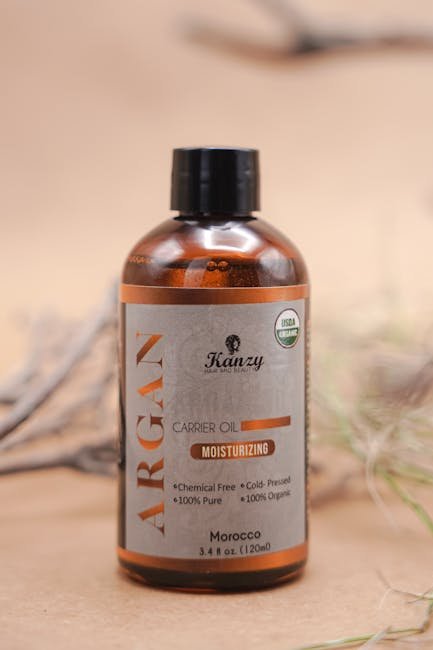
Argan Oil: Rich in fatty acids and antioxidants, argan oil helps to nourish and protect the skin, leaving it soft and supple.
- Application: Apply a few drops of the facial oil to your face and neck after applying moisturizer. Gently pat it into the skin until it is fully absorbed.
Step 8: Lip Balm – Hydrating and Protecting Your Lips
Don’t forget about your lips! Apply a vegan lip balm before bed to hydrate and protect them overnight. Look for lip balms with ingredients like shea butter, coconut oil, or beeswax (check for ethical sourcing, as some vegan alternatives exist like candelilla wax or soy wax).
* **Application:** Apply a generous amount of lip balm to your lips before bed.By following this step-by-step vegan nighttime skincare routine, you can effectively repair and regenerate your skin while you sleep, waking up to a radiant, healthy, and glowing complexion. Remember to be patient and consistent with your routine, as it takes time to see noticeable results.