
Layering Like a Pro: Mastering Vegan Skincare Product Application
The art of layering skincare, especially with vegan products, unlocks a world of enhanced benefits and noticeable improvements in skin health. Properly sequenced application allows active ingredients to penetrate effectively, addressing multiple concerns simultaneously. However, incorrect layering can lead to pilling, irritation, and diminished efficacy. This guide provides a comprehensive understanding of layering vegan skincare products for optimal results, considering formulation, texture, and ingredient compatibility.
Understanding the Principles of Skincare Layering
The fundamental principle guiding skincare layering is the “thinnest to thickest” rule. This ensures that lighter, water-based products are applied first, allowing them to absorb readily into the skin before heavier, oil-based formulas create a barrier. Deviation from this rule can impede penetration and render earlier steps ineffective.
Layering Based on Molecular Size and Vehicle
Beyond texture, molecular size plays a crucial role. Smaller molecules, like those found in serums, can penetrate the skin more easily than larger molecules in creams or oils. Water-based vehicles are absorbed faster than oil-based ones. Therefore, a general order of application, considering both texture and molecular size, is:
-
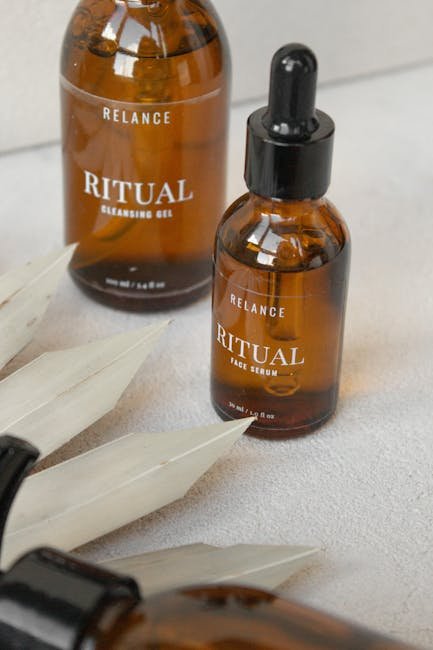
Cleanser: Always start with a clean slate. A vegan cleanser removes dirt, oil, and makeup, preparing the skin for subsequent product absorption. Choose a cleanser appropriate for your skin type, such as a hydrating cleanser for dry skin or a gentle foaming cleanser for oily skin. Common vegan cleansing ingredients include coconut-derived surfactants, plant oils (e.g., sunflower, jojoba), and botanical extracts.
-
Toner: A toner helps balance the skin’s pH after cleansing, prepping it for optimal absorption of subsequent products. Vegan toners often feature ingredients like rosewater, witch hazel (alcohol-free), aloe vera, and green tea extract, offering hydration and antioxidant benefits. Avoid toners with harsh alcohols, which can strip the skin of its natural oils.
-
Essence (Optional): Essences are lightweight, watery treatments that deliver a concentrated dose of hydration and nutrients. Popular in Korean skincare routines, essences are designed to enhance the absorption of other products. Common vegan ingredients include fermented extracts (e.g., rice ferment filtrate), hyaluronic acid, and plant-based antioxidants.
-
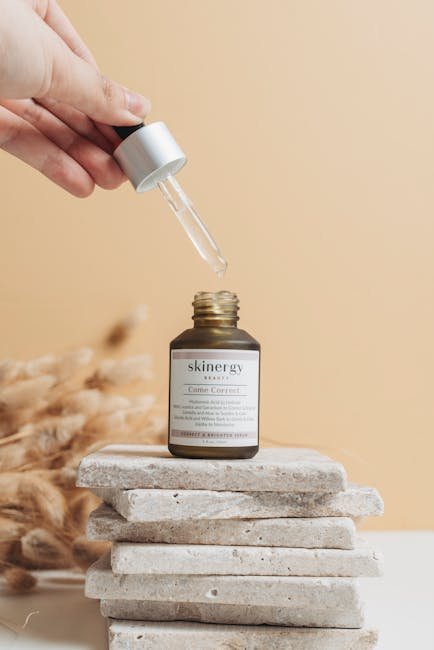
Serum: Serums are concentrated treatments containing potent active ingredients designed to target specific skin concerns, such as wrinkles, hyperpigmentation, or acne. They are typically lightweight and easily absorbed.
-
Water-Based Serums: Apply water-based serums before oil-based serums. Examples include:
- Hyaluronic Acid Serum: Attracts and retains moisture, plumping the skin. Vegan sources of hyaluronic acid are produced through bacterial fermentation.
- Vitamin C Serum: A powerful antioxidant that brightens the skin, protects against free radical damage, and stimulates collagen production. Look for stable forms of vitamin C, such as sodium ascorbyl phosphate or ascorbyl glucoside, in vegan formulations.
- Niacinamide Serum: Reduces inflammation, minimizes pores, and improves skin tone. Niacinamide is a vitamin B3 derivative often derived from yeast in vegan products.
-
Oil-Based Serums: Apply after water-based serums, allowing them to lock in moisture and create a protective barrier. Examples include:
- Rosehip Oil Serum: Rich in essential fatty acids and antioxidants, promoting skin regeneration and reducing the appearance of scars.
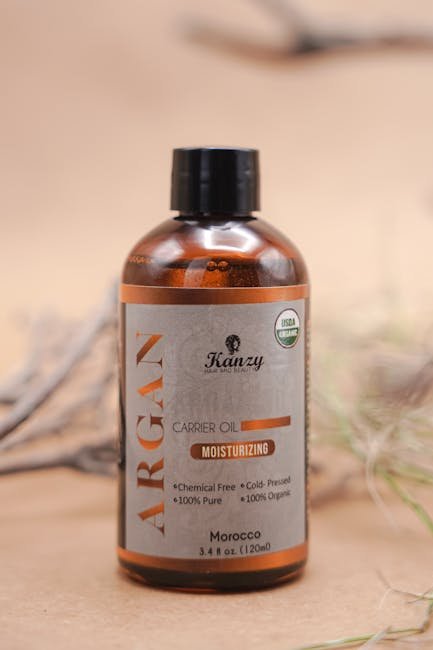
- Argan Oil Serum: Hydrates and nourishes the skin, improving elasticity and reducing inflammation.
-
-
Eye Cream: The skin around the eyes is delicate and requires specialized care. Apply eye cream before heavier moisturizers to ensure it can effectively penetrate this sensitive area. Look for vegan eye creams containing ingredients like caffeine (to reduce puffiness), peptides (to boost collagen), and hyaluronic acid (to hydrate).
-
Spot Treatment (If Applicable): If using a spot treatment for acne or hyperpigmentation, apply it before moisturizer. This allows the active ingredients to directly target the affected area without being diluted by other products. Common vegan acne-fighting ingredients include salicylic acid (derived from willow bark extract), tea tree oil, and benzoyl peroxide (synthetic, but vegan).
-
Moisturizer: Moisturizers hydrate the skin and create a barrier to prevent moisture loss. Choose a moisturizer based on your skin type.
- Lightweight Moisturizers (Lotions, Gels): Suitable for oily or acne-prone skin. Vegan ingredients include aloe vera, glycerin (often derived from plant oils), and hyaluronic acid.
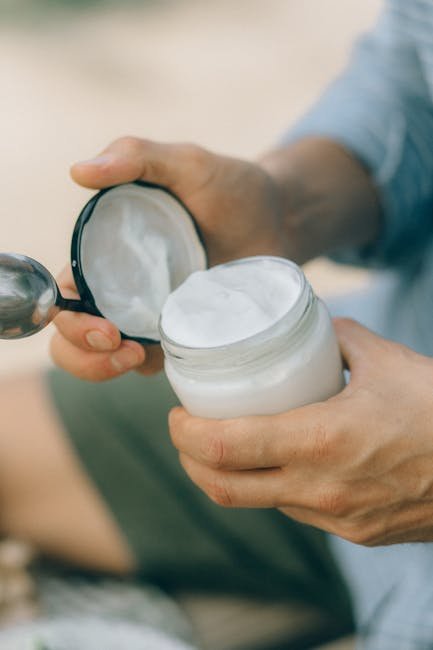
- Medium-Weight Moisturizers (Creams): Suitable for normal to combination skin. Vegan ingredients include shea butter, cocoa butter, and plant-based ceramides.
- Heavy Moisturizers (Balms, Oils): Suitable for dry or very dry skin. Vegan ingredients include shea butter, cocoa butter, avocado oil, and coconut oil.
-
Facial Oil: Facial oils are best applied as the final step in your nighttime skincare routine. They create an occlusive barrier that locks in moisture and prevents transepidermal water loss (TEWL). Choose oils based on your skin type.
- Oily Skin: Grapeseed oil, jojoba oil, and rosehip oil are lightweight and non-comedogenic.
- Dry Skin: Avocado oil, argan oil, and shea butter are rich and deeply moisturizing.
- Combination Skin: A blend of lightweight and medium-weight oils may be suitable.
-
Sunscreen (Daytime Only): Sunscreen is the most important step in any skincare routine. Apply it as the final step in your morning routine, after moisturizer and before makeup. Choose a broad-spectrum sunscreen with an SPF of 30 or higher. Mineral sunscreens containing zinc oxide and titanium dioxide are naturally vegan and provide excellent protection. Look for “reef-safe” formulations that are free of oxybenzone and octinoxate.
Ingredient Compatibility: What to Layer and What to Avoid
While layering can enhance the effectiveness of skincare products, certain ingredient combinations can lead to irritation or diminished efficacy. Here’s a guide to common vegan skincare ingredient pairings:
- Vitamin C and Hyaluronic Acid: A winning combination. Hyaluronic acid hydrates the skin, allowing vitamin C to penetrate more effectively.
- Niacinamide and Hyaluronic Acid: Another beneficial pairing. Niacinamide can help to improve skin texture and reduce inflammation, while hyaluronic acid provides essential hydration.
- Vitamin C and Sunscreen: Vitamin C boosts the effectiveness of sunscreen by providing additional antioxidant protection against free radical damage caused by UV rays.
- Retinoids (e.g., Bakuchiol) and Moisturizer: Retinoids can be drying, so layering them with a hydrating moisturizer is essential to minimize irritation. Bakuchiol is a natural, vegan alternative to retinol with similar benefits but often less irritation.
- AHAs/BHAs (e.g., Glycolic Acid, Salicylic Acid) and Moisturizer: Like retinoids, AHAs/BHAs can be drying, so pairing them with a moisturizer is crucial. Use these ingredients cautiously, especially if you have sensitive skin.
- Avoid: Vitamin C and AHAs/BHAs: These ingredients can destabilize each other, rendering them less effective. If using both, alternate them on different days or use vitamin C in the morning and AHAs/BHAs at night.
- Avoid: Retinoids and AHAs/BHAs: Combining these potent exfoliants can lead to excessive dryness, irritation, and inflammation. Use them on alternate nights.
- Avoid: Benzoyl Peroxide and Vitamin C: Benzoyl peroxide can oxidize vitamin C, reducing its efficacy.
Tips for Successful Layering
- Patch Test: Before introducing new products into your routine, perform a patch test on a small area of skin to check for any adverse reactions.
- Wait Time: Allow each product to fully absorb into the skin before applying the next. This typically takes 30 seconds to a few minutes, depending on the product’s formulation.
- Start Slowly: Don’t introduce multiple new products at once. Add one new product at a time and observe how your skin reacts.
- Listen to Your Skin: Pay attention to how your skin feels. If you experience any irritation, redness, or dryness, adjust your routine accordingly.
- Keep it Simple: You don’t need a 10-step routine to achieve healthy, radiant skin. Focus on using a few high-quality products that address your specific skin concerns.
- Consider the Season: Adjust your routine based on the weather. You may need to use a heavier moisturizer in the winter and a lighter moisturizer in the summer.
- Avoid Over-Exfoliation: Exfoliating too frequently can damage the skin barrier. Limit exfoliation to 1-2 times per week.
- Clean Hands: Always wash your hands before applying skincare products to prevent the spread of bacteria.
- Use Clean Tools: If you use brushes or sponges to apply skincare products, clean them regularly to prevent bacterial growth.
By understanding the principles of skincare layering, choosing the right vegan products, and paying attention to your skin’s needs, you can create a personalized routine that delivers optimal results. Mastering the art of layering empowers you to achieve healthy, radiant, and ethically conscious skincare.