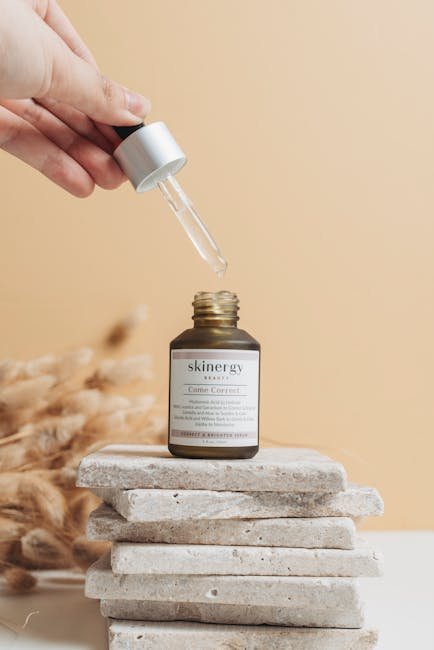

Understanding Sensitive Skin: A Foundation for Vegan Skincare Choices
Sensitive skin isn’t a singular skin type, but rather a characteristic reflecting a heightened reactivity to various stimuli. It manifests through symptoms like redness, itching, burning, stinging, dryness, and a general feeling of discomfort. This heightened sensitivity often stems from a compromised skin barrier, the outermost layer of skin responsible for protection against external aggressors and moisture retention. A weakened barrier allows irritants to penetrate more easily, triggering inflammatory responses.
Several factors can contribute to sensitive skin. Genetic predisposition plays a significant role, with some individuals naturally having thinner or more reactive skin. Environmental factors such as harsh weather (extreme cold, heat, wind), pollution, and sun exposure can exacerbate sensitivity. Certain medical conditions like eczema, rosacea, and psoriasis are also commonly associated with sensitive skin. Furthermore, lifestyle choices, including stress, poor diet, and inadequate sleep, can negatively impact skin health and increase sensitivity.
Understanding the underlying cause of your sensitive skin is crucial for choosing the right skincare. While self-diagnosis is possible, consulting a dermatologist or a qualified esthetician is recommended for personalized advice and to rule out any underlying medical conditions. They can help identify specific triggers and recommend a tailored skincare routine.
Why Vegan Skincare Can Be a Game Changer for Sensitive Skin
Vegan skincare, by definition, excludes animal-derived ingredients and animal testing. This makes it a potentially gentler option for sensitive skin for several reasons. Traditional skincare often contains ingredients that, while effective for some, can be highly irritating to sensitive skin. Common culprits include artificial fragrances, synthetic dyes, harsh preservatives (like parabens and formaldehyde-releasers), sulfates (like SLS and SLES), and certain alcohols. Animal-derived ingredients like lanolin (from sheep’s wool), beeswax, and collagen can also be problematic for some individuals, either due to allergies or their inherent occlusive nature, potentially clogging pores and causing breakouts in sensitive skin.
Vegan skincare formulations frequently prioritize plant-based ingredients known for their soothing, anti-inflammatory, and hydrating properties. These ingredients are often richer in antioxidants, vitamins, and minerals that support skin barrier function and promote healing. The absence of harsh chemicals and animal-derived ingredients reduces the likelihood of triggering irritation and allergic reactions.
However, it’s important to remember that “vegan” doesn’t automatically equate to “hypoallergenic” or “suitable for sensitive skin.” Some plant-based ingredients, like essential oils, can also be irritating to certain individuals, especially in high concentrations. Therefore, careful ingredient scrutiny is still necessary.
Navigating the Vegan Skincare Landscape: Key Ingredients to Look For
When selecting vegan skincare products for sensitive skin, focus on formulas that are fragrance-free, dye-free, and specifically formulated for sensitive skin. Prioritize products with short ingredient lists, as fewer ingredients generally mean a lower risk of irritation. Here are some key vegan ingredients that can be beneficial:
- Aloe Vera: A renowned soothing and hydrating ingredient, aloe vera contains anti-inflammatory properties that can calm irritated skin, reduce redness, and promote healing. It’s excellent for sunburns and minor skin irritations.
- Oat Extract (Avena Sativa): Oat extract is rich in antioxidants and anti-inflammatory compounds that help soothe itchy, dry, and inflamed skin. Colloidal oatmeal, a finely ground form of oat, is particularly effective in treating eczema and other skin conditions.
- Calendula Extract: Calendula has potent anti-inflammatory, antifungal, and antibacterial properties. It can help soothe irritated skin, promote wound healing, and reduce redness. It’s often used to treat eczema, diaper rash, and other skin irritations.
- Chamomile Extract: Chamomile contains bisabolol, a compound known for its anti-inflammatory and soothing properties. It helps calm irritated skin, reduce redness, and promote relaxation.
- Green Tea Extract: Rich in antioxidants, green tea extract helps protect the skin from free radical damage and inflammation. It can also help reduce redness and improve skin tone.
- Hyaluronic Acid: A powerful humectant, hyaluronic acid attracts and retains moisture in the skin, keeping it hydrated and plump. It’s essential for maintaining a healthy skin barrier and preventing dryness. Choose low molecular weight hyaluronic acid for better penetration.
- Ceramides: Ceramides are lipids that naturally occur in the skin and play a crucial role in maintaining the skin barrier. They help prevent moisture loss and protect the skin from environmental aggressors. Look for plant-derived ceramides in your skincare.
- Squalane (Plant-Derived): Squalane is a lightweight, non-comedogenic oil that mimics the skin’s natural sebum. It helps hydrate the skin, improve its elasticity, and protect it from environmental damage. Ensure it’s sourced from plants like olives or sugarcane.
- Jojoba Oil: Jojoba oil is structurally similar to human sebum, making it easily absorbed by the skin. It helps hydrate the skin, balance oil production, and protect it from environmental damage.
- Shea Butter: Shea butter is a rich emollient that helps moisturize and soothe dry, irritated skin. It contains anti-inflammatory properties and helps protect the skin from environmental damage. Ensure it’s ethically sourced.
- Centella Asiatica (Cica): Cica is a powerful ingredient known for its wound-healing and anti-inflammatory properties. It helps soothe irritated skin, reduce redness, and promote collagen production.
- Vitamin E (Tocopherol): A potent antioxidant, Vitamin E helps protect the skin from free radical damage and promotes healing. It also helps moisturize and soften the skin.
Ingredients to Avoid in Vegan Skincare for Sensitive Skin
While vegan skincare generally avoids harsh chemicals and animal-derived ingredients, certain plant-based ingredients and synthetic compounds can still be irritating to sensitive skin. Here are some ingredients to avoid:
- Artificial Fragrances and Essential Oils: Fragrances are a common trigger for sensitive skin. Even natural fragrances like essential oils can be irritating, especially in high concentrations. Opt for fragrance-free products. If using essential oils, patch test first and dilute them properly. Common irritants include citrus oils (lemon, lime, orange), lavender, tea tree oil, and peppermint.
- Alcohol Denat. (Denatured Alcohol): Alcohol denat. is often used in skincare to help products absorb quickly and feel lightweight. However, it can be extremely drying and irritating to sensitive skin.
- Sulfates (SLS, SLES): Sulfates are harsh surfactants commonly used in cleansers to create a foaming effect. They can strip the skin of its natural oils, leading to dryness and irritation. Look for sulfate-free cleansers.
- Harsh Exfoliants (AHAs/BHAs): While chemical exfoliants can be beneficial for some, harsh AHAs (alpha hydroxy acids) and BHAs (beta hydroxy acids) can be irritating to sensitive skin. If using exfoliants, start with a low concentration and use them sparingly. Consider gentler alternatives like enzyme exfoliants.
- Synthetic Dyes: Synthetic dyes can be irritating to sensitive skin. Opt for products with natural coloring or no coloring at all.
- Certain Preservatives: While preservatives are necessary to prevent bacterial growth, some can be irritating to sensitive skin. Avoid parabens, formaldehyde-releasers (like DMDM hydantoin and diazolidinyl urea), and methylisothiazolinone (MIT). Look for gentler alternatives like phenoxyethanol or potassium sorbate.
Building a Gentle Vegan Skincare Routine for Sensitive Skin
Building a skincare routine for sensitive skin requires patience and consistency. Start with a minimalist approach and gradually introduce new products, one at a time, to monitor your skin’s reaction. Patch testing is crucial before incorporating any new product into your routine. Apply a small amount of the product to a discreet area of skin, such as the inside of your wrist or behind your ear, and wait 24-48 hours to see if any irritation occurs.
Here’s a sample vegan skincare routine for sensitive skin:
- Cleanser: Choose a gentle, sulfate-free, fragrance-free, and pH-balanced cleanser. Creamy or milky cleansers are often better suited for sensitive skin than foaming cleansers. Look for ingredients like aloe vera, oat extract, or chamomile.
- Toner (Optional): If using a toner, opt for an alcohol-free and fragrance-free formula. Hydrating toners containing ingredients like hyaluronic acid or rosewater can help soothe and hydrate the skin.
- Serum: Serums can deliver concentrated doses of beneficial ingredients. Look for serums containing hyaluronic acid, ceramides, or antioxidants like Vitamin E and green tea extract.
- Moisturizer: A good moisturizer is essential for maintaining a healthy skin barrier. Choose a rich, emollient moisturizer that contains ceramides, squalane, shea butter, or jojoba oil.
- Sunscreen: Sunscreen is crucial for protecting sensitive skin from sun damage. Choose a mineral sunscreen containing zinc oxide or titanium dioxide. Look for fragrance-free and non-comedogenic formulas.
- Spot Treatment (As Needed): For occasional breakouts, use a gentle spot treatment containing ingredients like tea tree oil (diluted) or salicylic acid (low concentration).
Beyond Products: Lifestyle Factors for Managing Sensitive Skin
While skincare products play a crucial role in managing sensitive skin, lifestyle factors also significantly impact skin health.
- Diet: A healthy diet rich in fruits, vegetables, and omega-3 fatty acids can help reduce inflammation and support skin health. Avoid processed foods, sugary drinks, and excessive alcohol consumption.
- Hydration: Drink plenty of water throughout the day to keep your skin hydrated from the inside out.
- Sleep: Aim for 7-8 hours of quality sleep each night to allow your skin to repair and regenerate.
- Stress Management: Stress can exacerbate sensitive skin. Practice relaxation techniques like yoga, meditation, or deep breathing exercises to manage stress levels.
- Laundry Detergent: Choose fragrance-free and dye-free laundry detergent specifically formulated for sensitive skin.
- Avoid Harsh Fabrics: Wear loose-fitting clothing made from soft, breathable fabrics like cotton or linen to avoid irritating your skin.
- Limit Hot Showers: Hot water can strip the skin of its natural oils, leading to dryness and irritation. Opt for lukewarm showers and limit their duration.
- Humidifier: Use a humidifier, especially during the winter months, to add moisture to the air and prevent dry skin.
- Consult a Professional: Don’t hesitate to seek professional advice from a dermatologist or esthetician. They can help identify specific triggers and recommend a personalized treatment plan.