
Understanding Dry Skin: A Vegan Perspective
Dry skin, characterized by a lack of moisture and often accompanied by tightness, flakiness, and even itchiness, requires a specialized approach, especially when adhering to a vegan skincare philosophy. From a vegan perspective, addressing dry skin necessitates more than just hydration; it demands a commitment to ethical sourcing, cruelty-free practices, and the utilization of plant-based ingredients that effectively replenish the skin’s natural oils and fortify its barrier function.
The underlying causes of dry skin are multifaceted. Environmental factors such as harsh weather, low humidity, and prolonged exposure to sun or wind play a significant role. Lifestyle choices like frequent hot showers, harsh soaps, and inadequate water intake exacerbate the condition. Furthermore, certain medical conditions and medications can contribute to dry skin. A vegan approach to managing dry skin focuses on mitigating these factors while simultaneously providing intense hydration and nourishment through plant-derived emollients, humectants, and occlusives. Understanding the root cause of your specific dry skin condition is the first step in crafting an effective and tailored vegan skincare routine.
The Pillars of a Vegan Skincare Routine for Dry Skin
A successful vegan skincare routine for dry skin rests on three fundamental pillars: cleansing, hydrating, and protecting. Each step must be carefully considered to ensure optimal efficacy without compromising ethical values.
-
Gentle Cleansing: Harsh cleansers strip the skin of its natural oils, further dehydrating it. Opt for a creamy, oil-based, or milk-based vegan cleanser formulated with gentle surfactants. Look for ingredients like oat milk, aloe vera, or chamomile, known for their soothing and hydrating properties. Avoid cleansers containing sulfates (SLS/SLES), alcohol, or artificial fragrances, as these can irritate and dry out the skin. Massage the cleanser gently onto damp skin and rinse thoroughly with lukewarm water. Pat the skin dry with a soft towel – avoid rubbing, which can cause further irritation.
-
Intense Hydration: This pillar involves layering hydrating products to draw moisture into the skin and lock it in. Begin with a vegan hydrating toner or essence, infused with ingredients like hyaluronic acid, glycerin (from plant sources), or rosewater. These ingredients act as humectants, attracting moisture from the air and binding it to the skin. Follow with a hydrating serum containing ingredients like squalane (derived from olives or sugarcane), vegan collagen (produced through microbial fermentation), or vitamin E. These serums deliver concentrated doses of hydration and antioxidants to the deeper layers of the skin. Finally, apply a rich, vegan moisturizer containing emollients and occlusives. Emollients like shea butter, cocoa butter, and plant-based oils (such as jojoba, avocado, and argan oil) soften and smooth the skin. Occlusives like candelilla wax or carnauba wax form a protective barrier on the skin’s surface, preventing moisture loss.
-
Sun Protection: Sun exposure is a major contributor to skin dehydration and damage. Applying a broad-spectrum vegan sunscreen with an SPF of 30 or higher every morning is crucial, even on cloudy days. Look for mineral sunscreens containing zinc oxide or titanium dioxide, as these are considered reef-safe and gentler on the skin than chemical sunscreens. Ensure the sunscreen is fragrance-free and formulated for sensitive skin to minimize the risk of irritation. Reapply sunscreen every two hours, especially if you’re sweating or swimming.
Vegan Ingredient Spotlight: Hydration Heroes
The effectiveness of a vegan skincare routine hinges on the quality and efficacy of its ingredients. Several plant-derived ingredients stand out for their exceptional hydrating and nourishing properties:
-
Hyaluronic Acid (Vegan): A powerful humectant that can hold up to 1000 times its weight in water. Vegan hyaluronic acid is typically produced through bacterial fermentation and is identical to the hyaluronic acid naturally found in the skin.
-
Squalane: A lightweight, non-comedogenic oil that mimics the skin’s natural sebum. Vegan squalane is derived from olives or sugarcane and is an excellent emollient, softening and smoothing the skin.
-
Shea Butter: Rich in fatty acids and vitamins, shea butter is a potent emollient and occlusive. It helps to hydrate, soothe, and protect the skin from environmental aggressors. Ensure it is ethically sourced and sustainably harvested.
-
Jojoba Oil: Structurally similar to the skin’s natural sebum, jojoba oil is easily absorbed and helps to balance oil production. It’s also rich in antioxidants and has anti-inflammatory properties.
-
Avocado Oil: A rich source of fatty acids, vitamins, and antioxidants, avocado oil deeply nourishes and hydrates dry skin. It also helps to improve skin elasticity and reduce the appearance of fine lines.
-
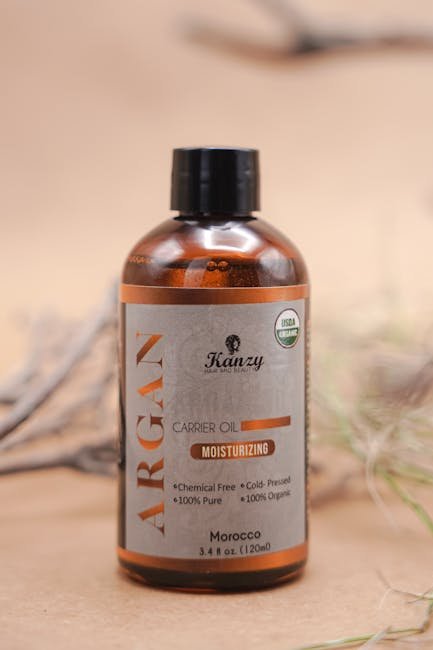
Argan Oil: Known as “liquid gold,” argan oil is rich in essential fatty acids, antioxidants, and vitamin E. It helps to hydrate, protect, and repair dry, damaged skin.
-
Glycerin (Plant-Based): A humectant that draws moisture from the air and binds it to the skin. Plant-based glycerin is typically derived from vegetable oils and is a highly effective hydrating ingredient.
-
Aloe Vera: A soothing and hydrating ingredient that helps to calm irritated skin. Aloe vera contains polysaccharides that help to retain moisture and promote skin healing.
-
Oat Milk: A gentle and hydrating ingredient that helps to soothe and soften dry, sensitive skin. Oat milk contains lipids that help to replenish the skin’s natural barrier.
-
Ceramides (Vegan): Lipids that help to maintain the skin’s barrier function and prevent moisture loss. Vegan ceramides can be synthesized or derived from plant sources like rice bran.
Crafting Your Personalized Vegan Routine: Addressing Specific Needs
While the pillars of cleansing, hydrating, and protecting remain constant, tailoring the routine to address specific needs is essential for optimal results.
-
Extremely Dry and Flaky Skin: Incorporate a weekly vegan exfoliating treatment using a gentle enzyme peel or a mild scrub with biodegradable beads (avoid microplastics). This will help to remove dead skin cells and allow hydrating products to penetrate more effectively. After exfoliating, apply a thick layer of vegan facial oil or a hydrating mask and leave it on overnight for intense hydration.
-
Dry and Sensitive Skin: Prioritize fragrance-free, hypoallergenic products and avoid ingredients like alcohol, essential oils (which can be irritating to sensitive skin), and harsh exfoliants. Patch-test new products on a small area of skin before applying them to the entire face. Opt for gentle cleansing balms or creamy cleansers, and layer hydrating serums and rich moisturizers.
-
Dry Skin with Redness or Inflammation: Look for products containing soothing ingredients like chamomile, calendula, or green tea extract. These ingredients have anti-inflammatory properties and can help to calm irritated skin. Consider using a vegan facial oil rich in omega-3 fatty acids, which can help to reduce inflammation and improve skin barrier function.
-
Mature Dry Skin: Focus on products containing anti-aging ingredients like vegan collagen, peptides, and antioxidants. These ingredients can help to improve skin elasticity, reduce the appearance of wrinkles, and protect the skin from free radical damage. Incorporate a vegan retinol alternative, such as bakuchiol, into your routine to stimulate collagen production and improve skin texture.
Lifestyle Factors: Supporting Your Vegan Skincare Routine
A holistic approach to managing dry skin extends beyond topical skincare. Lifestyle factors play a crucial role in maintaining skin hydration and overall health:
-
Hydration: Drink plenty of water throughout the day to keep your skin hydrated from the inside out. Aim for at least eight glasses of water per day.
-
Diet: Consume a diet rich in fruits, vegetables, and healthy fats. These foods provide essential vitamins, minerals, and antioxidants that support skin health. Include sources of omega-3 fatty acids like flaxseeds, chia seeds, and walnuts.
-
Humidifier: Use a humidifier in your home, especially during dry winter months, to increase the humidity in the air and prevent moisture loss from your skin.
-
Avoid Hot Showers: Limit the duration of hot showers and baths, as hot water can strip the skin of its natural oils. Use lukewarm water instead and apply a vegan moisturizer immediately after showering.
-
Gentle Handling: Avoid rubbing your skin too vigorously when cleansing or drying. Pat your skin dry with a soft towel and use gentle, circular motions when applying skincare products.
-
Consult a Dermatologist: If you have persistent dry skin or suspect an underlying medical condition, consult a dermatologist for personalized advice and treatment options.
By embracing a carefully curated vegan skincare routine and adopting healthy lifestyle habits, individuals with dry skin can achieve a hydrated, healthy, and radiant complexion while upholding their ethical values. The power of plant-based ingredients, combined with mindful self-care, offers a sustainable and compassionate solution for managing dry skin and promoting overall well-being.