
Decoding Vegan Skincare: A Path to Radiant Health
Vegan skincare, an increasingly popular choice, extends beyond mere dietary preferences. It represents a holistic approach to beauty, emphasizing ethical sourcing, plant-derived ingredients, and a deep respect for the environment. Achieving radiant skin through vegan skincare hinges on understanding your skin type, identifying beneficial ingredients, and implementing a consistent, tailored routine.
Understanding Your Skin: The Foundation of Effective Skincare
Before diving into product selection, accurately assessing your skin type is paramount. This ensures you choose formulations designed to address your specific concerns, preventing irritation and maximizing efficacy. The primary skin types are:
- Normal Skin: Characterized by balanced oil production, minimal blemishes, and a smooth texture.
- Oily Skin: Prone to excess sebum production, enlarged pores, and a tendency towards acne breakouts.
- Dry Skin: Lacks adequate moisture, often feeling tight, flaky, and susceptible to irritation.
- Combination Skin: Exhibits a mixture of oily and dry areas, typically with an oily T-zone (forehead, nose, and chin) and drier cheeks.
- Sensitive Skin: Highly reactive, easily irritated by harsh chemicals, fragrances, and certain ingredients.
A simple test involves washing your face with a gentle cleanser and observing how your skin feels after an hour. Tightness indicates dryness, shine suggests oiliness, and a combination of both points to combination skin. Sensitive skin may exhibit redness or itching even after using a mild cleanser.
The Power of Plant-Based Ingredients: Nature’s Elixir for Radiant Skin
Vegan skincare leverages the potent properties of plant extracts, oils, and botanicals. These ingredients offer a wealth of benefits, from hydration and antioxidant protection to anti-inflammatory and brightening effects.
- Hyaluronic Acid (Vegan Source): A powerful humectant that attracts and retains moisture, plumping the skin and reducing the appearance of fine lines. Vegan hyaluronic acid is typically derived from microbial fermentation.
- Vitamin C (Ascorbic Acid): A potent antioxidant that protects against free radical damage, brightens the complexion, and stimulates collagen production. Sources include citrus fruits, berries, and green leafy vegetables. Look for derivatives like Sodium Ascorbyl Phosphate or Magnesium Ascorbyl Phosphate, which are more stable and less irritating.
- Vitamin E (Tocopherol): Another potent antioxidant that protects against environmental stressors and helps to maintain skin hydration. Found in nuts, seeds, and vegetable oils.
- Aloe Vera: Soothes and hydrates the skin, reducing inflammation and promoting healing. Ideal for sensitive or irritated skin.
- Green Tea Extract: Rich in antioxidants that combat free radical damage and possess anti-inflammatory properties.
- Rosehip Oil: Rich in essential fatty acids and Vitamin A, promoting skin regeneration, reducing the appearance of scars and wrinkles, and improving skin tone.
- Jojoba Oil: Closely resembles the skin’s natural sebum, making it an excellent moisturizer for all skin types. It helps to balance oil production and won’t clog pores.
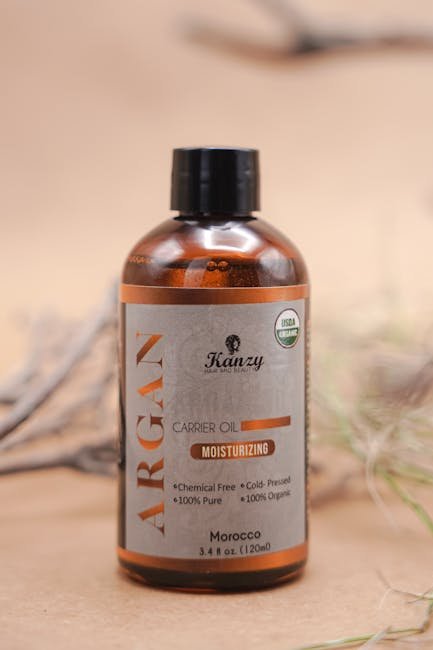
- Argan Oil: Rich in essential fatty acids and antioxidants, moisturizing and nourishing the skin while protecting against environmental damage.
- Shea Butter: A rich emollient that deeply moisturizes and protects the skin, leaving it soft and supple.
- Centella Asiatica (Cica): Renowned for its wound-healing and anti-inflammatory properties, soothing irritated skin and promoting collagen production.
- Niacinamide (Vitamin B3): Helps to improve skin tone, reduce the appearance of pores, and strengthen the skin barrier.
- Salicylic Acid (Vegan Source): A beta-hydroxy acid (BHA) that exfoliates the skin, unclogs pores, and reduces inflammation. Vegan sources are typically derived from willow bark.
- Glycolic Acid (Vegan Source): An alpha-hydroxy acid (AHA) that exfoliates the skin, improving texture and tone, and reducing the appearance of fine lines and wrinkles. Vegan sources are typically derived from sugarcane.
- Retinol Alternatives (Bakuchiol, Rosehip Oil): Plant-derived alternatives to retinol that offer similar anti-aging benefits without the potential for irritation. Bakuchiol, in particular, has shown promising results in clinical studies.
Crafting Your Vegan Skincare Routine: A Step-by-Step Guide
A well-structured skincare routine is essential for achieving and maintaining radiant skin. This routine should be tailored to your specific skin type and concerns.
-
Cleansing:
- Purpose: Removes dirt, oil, and makeup without stripping the skin’s natural oils.
- Product Choice: Choose a gentle, vegan cleanser that is appropriate for your skin type. Oily skin may benefit from a foaming cleanser, while dry skin may prefer a cream or oil-based cleanser. Sensitive skin should opt for a fragrance-free and hypoallergenic formula.
- Application: Massage the cleanser gently onto damp skin for 30-60 seconds, then rinse thoroughly with lukewarm water. Pat dry with a soft towel.
-
Toning:
- Purpose: Balances the skin’s pH level and prepares it for subsequent products.
- Product Choice: Opt for a vegan toner that is free of alcohol and harsh chemicals. Hydrating toners containing ingredients like rose water or aloe vera are suitable for most skin types. Those with oily skin may benefit from a toner containing salicylic acid.
- Application: Apply the toner to a cotton pad and gently sweep it across your face and neck. Avoid the eye area.
-
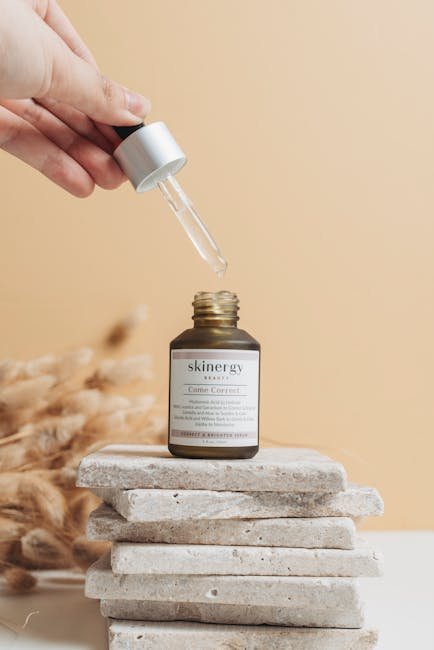
Serum:
- Purpose: Delivers concentrated ingredients to address specific skin concerns, such as hydration, brightening, or anti-aging.
- Product Choice: Select a vegan serum that targets your specific needs. Hyaluronic acid serums are excellent for hydration, vitamin C serums for brightening, and retinol alternative serums for anti-aging.
- Application: Apply a few drops of the serum to your fingertips and gently pat it onto your face and neck.
-
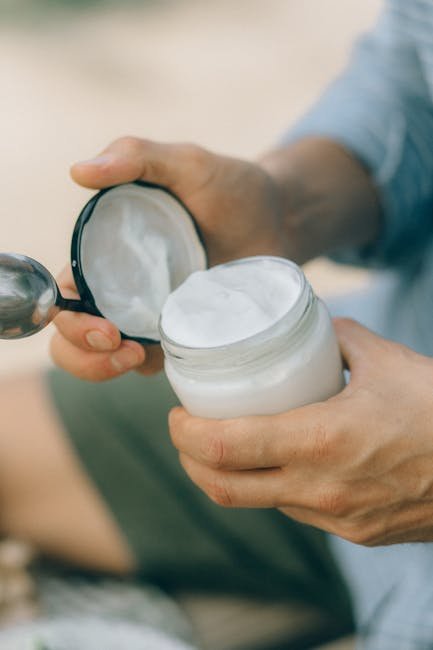
Moisturizing:
- Purpose: Hydrates the skin and creates a protective barrier against environmental aggressors.
- Product Choice: Choose a vegan moisturizer that is appropriate for your skin type. Oily skin may prefer a lightweight, oil-free moisturizer, while dry skin may benefit from a richer cream.
- Application: Apply a generous amount of moisturizer to your face and neck, massaging it in until fully absorbed.
-
Sunscreen (Daytime):
- Purpose: Protects the skin from harmful UV rays, preventing premature aging and reducing the risk of skin cancer.
- Product Choice: Select a broad-spectrum vegan sunscreen with an SPF of 30 or higher. Mineral sunscreens containing zinc oxide or titanium dioxide are excellent choices.
- Application: Apply sunscreen liberally to all exposed areas of your skin 15-20 minutes before sun exposure. Reapply every two hours, or more frequently if swimming or sweating.
-
Exfoliation (1-2 times per week):
- Purpose: Removes dead skin cells, improving skin texture and tone, and allowing other products to penetrate more effectively.
- Product Choice: Choose a vegan exfoliator that is appropriate for your skin type. Physical exfoliants, such as sugar scrubs, can be used gently on most skin types. Chemical exfoliants, such as AHAs and BHAs, are more effective for addressing specific concerns, such as acne or hyperpigmentation.
- Application: Apply the exfoliator to damp skin and gently massage it in circular motions. Rinse thoroughly with lukewarm water.
-
Mask (1-2 times per week):
- Purpose: Provides a concentrated dose of nutrients and addresses specific skin concerns, such as hydration, detoxification, or brightening.
- Product Choice: Select a vegan mask that targets your specific needs. Clay masks are excellent for oily skin, while hydrating masks are beneficial for dry skin.
- Application: Apply the mask to clean, dry skin and leave it on for the recommended amount of time. Rinse thoroughly with lukewarm water.
Lifestyle Factors: Supporting Your Vegan Skincare Efforts
While a consistent vegan skincare routine is crucial, lifestyle factors also play a significant role in achieving radiant skin.
- Hydration: Drinking plenty of water helps to keep the skin hydrated from the inside out.
- Diet: A balanced vegan diet rich in fruits, vegetables, and whole grains provides essential nutrients for healthy skin. Focus on foods rich in antioxidants, such as berries, leafy greens, and nuts.
- Sleep: Getting adequate sleep allows the skin to repair and regenerate. Aim for 7-8 hours of sleep per night.
- Stress Management: Stress can contribute to skin problems, such as acne and eczema. Practice stress-reducing techniques, such as yoga, meditation, or spending time in nature.
- Exercise: Regular exercise improves blood circulation, delivering nutrients and oxygen to the skin.
- Limit Sun Exposure: Excessive sun exposure can damage the skin, leading to premature aging and an increased risk of skin cancer. Wear sunscreen daily, even on cloudy days, and seek shade during peak sun hours.
Reading Labels: Deciphering Vegan Skincare Terminology
Navigating the world of skincare labels can be overwhelming. Look for certifications from reputable vegan organizations, such as Vegan Action or The Vegan Society, to ensure that products are truly vegan. Be aware of potential hidden animal-derived ingredients:
- Lanolin: Derived from sheep’s wool.
- Beeswax: Produced by bees.
- Honey: Produced by bees.
- Carmine (CI 75470): Derived from crushed insects.
- Collagen: Derived from animal sources.
- Elastin: Derived from animal sources.
- Glycerin (Check the Source): Can be derived from animal or plant sources; look for “vegetable glycerin.”
- Stearic Acid (Check the Source): Can be derived from animal or plant sources; look for “vegetable stearic acid.”
Patience and Consistency: The Keys to Lasting Radiance
Achieving radiant skin through vegan skincare is a journey that requires patience and consistency. It may take several weeks or even months to see noticeable results. Stick to your routine, choose products that are appropriate for your skin type, and prioritize a healthy lifestyle. By embracing a holistic approach to skincare, you can unlock your natural radiance and achieve a healthy, glowing complexion.