
Understanding Vegan Facial Masks: Ingredients, Benefits, and Skin Types
Vegan facial masks, a cornerstone of cruelty-free skincare, are formulated without any animal-derived ingredients. This commitment to ethical sourcing distinguishes them from conventional masks that may contain substances like honey, beeswax, lanolin, or collagen derived from animal sources. The core appeal of vegan masks lies in their plant-powered efficacy, often boasting a concentrated blend of botanical extracts, vitamins, minerals, and antioxidants that cater to diverse skincare needs.
Key Vegan Mask Ingredients and Their Benefits:
-
Clay (Kaolin, Bentonite, French Green Clay): Excellent for absorbing excess oil and impurities, making them ideal for oily and acne-prone skin. Kaolin is milder, suitable for sensitive skin, while bentonite is more potent and effective for deep pore cleansing. French green clay draws out toxins and revitalizes the complexion.
-
Aloe Vera: A soothing and hydrating ingredient known for its anti-inflammatory and healing properties. Perfect for calming irritated or sunburned skin. Aloe vera masks can also help reduce redness and promote cell regeneration.
-
Hyaluronic Acid: A powerful humectant that attracts and retains moisture, plumping the skin and reducing the appearance of fine lines and wrinkles. Suitable for all skin types, especially dry and dehydrated skin.
-
Fruit Enzymes (Papaya, Pineapple): Act as gentle exfoliants, removing dead skin cells and revealing a brighter, smoother complexion. Fruit enzyme masks are a gentler alternative to harsh scrubs, suitable for sensitive skin.
-
Plant-Based Oils (Jojoba, Argan, Rosehip): Rich in essential fatty acids and antioxidants, these oils nourish and protect the skin, improving its elasticity and radiance. Jojoba oil mimics the skin’s natural sebum, making it suitable for all skin types. Argan oil is highly moisturizing and anti-aging, while rosehip oil helps fade scars and hyperpigmentation.
-
Green Tea Extract: A potent antioxidant that protects the skin from free radical damage and reduces inflammation. Green tea masks can help prevent premature aging and soothe irritated skin.
-
Vitamin C: Brightens the skin, evens out skin tone, and promotes collagen production. Vitamin C masks are effective for reducing hyperpigmentation and improving skin radiance.
-
Activated Charcoal: Acts like a magnet to draw out impurities and toxins from the pores, making it ideal for acne-prone and congested skin. Activated charcoal masks can help reduce blackheads and blemishes.
Choosing the Right Vegan Mask for Your Skin Type:
-
Dry Skin: Look for masks containing hydrating ingredients like hyaluronic acid, aloe vera, shea butter, and plant-based oils (jojoba, argan). Avoid masks with high concentrations of clay or alcohol, as these can further dry out the skin. Cream-based masks are generally better for dry skin.
-
Oily Skin: Opt for masks containing clay, activated charcoal, tea tree oil, or salicylic acid to absorb excess oil and unclog pores. Avoid masks that are too rich or oily, as these can exacerbate acne. Gel-based or mud masks are generally suitable for oily skin.
-
Combination Skin: Focus on balancing the skin by using multi-masking techniques. Apply a clay-based mask to the oily T-zone (forehead, nose, and chin) and a hydrating mask to the drier cheeks.
-
Sensitive Skin: Choose masks with gentle, soothing ingredients like aloe vera, chamomile, and calendula. Avoid masks with harsh exfoliants, fragrances, or alcohol. Always do a patch test before applying a mask to your entire face. Look for fragrance-free and hypoallergenic formulas.
-
Acne-Prone Skin: Opt for masks containing salicylic acid, tea tree oil, or bentonite clay to unclog pores and reduce inflammation. Avoid masks with comedogenic ingredients (ingredients that clog pores).
Prepping Your Skin for Optimal Mask Results
The efficacy of a vegan facial mask is significantly enhanced by proper skin preparation. This ensures that the mask’s ingredients can penetrate effectively and deliver their intended benefits. Neglecting this crucial step can diminish the mask’s potential and even lead to irritation.
-
Cleansing: Begin with a gentle cleanser suitable for your skin type. This removes surface dirt, makeup, and excess oil, creating a clean canvas for the mask. Choose a cleanser that doesn’t strip your skin of its natural oils.
-
Exfoliation (Optional): Exfoliating once or twice a week can remove dead skin cells, allowing the mask to penetrate deeper. However, avoid exfoliating immediately before or after using a mask with active ingredients like acids or enzymes, as this can over-exfoliate the skin and cause irritation. Opt for a gentle physical or chemical exfoliant, depending on your skin’s tolerance.
-
Steaming (Optional): Steaming your face opens up the pores, allowing for better absorption of the mask’s ingredients. You can use a facial steamer or simply lean over a bowl of hot water with a towel draped over your head for a few minutes.
Mask Application Techniques: Achieving Even Coverage and Maximum Absorption
The way you apply your vegan facial mask significantly impacts its effectiveness. An even and consistent application ensures that all areas of your face receive the intended benefits.
-
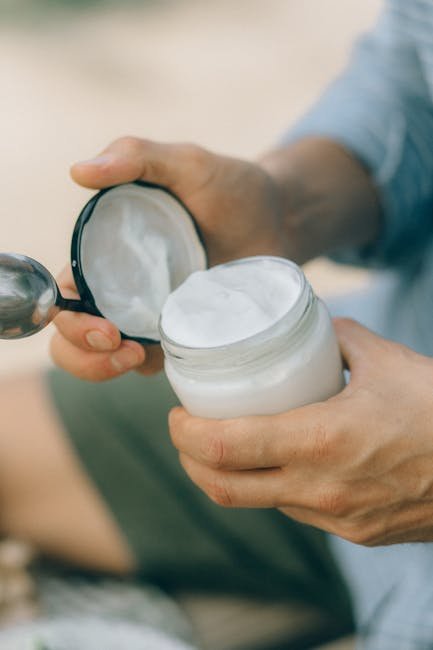
Tools vs. Fingers: While using your fingers is perfectly acceptable, a clean mask brush or spatula can provide a more hygienic and even application. Brushes also prevent product wastage. Silicone applicators are easy to clean and minimize product absorption.
-
Layer Thickness: Apply a thin, even layer of the mask, avoiding the delicate eye area and lips. Too thick of a layer won’t necessarily enhance the results and may even make the mask harder to remove.
-
Application Direction: Apply the mask in upward strokes, starting from the neck and working your way up to the forehead. This helps to lift the skin and prevent sagging.
-
Multi-Masking: As mentioned earlier, multi-masking involves applying different masks to different areas of the face to address specific concerns. For example, you could apply a clay mask to the oily T-zone and a hydrating mask to the dry cheeks.
Maximizing Mask Benefits: Timing, Duration, and Removal
The duration and removal process are critical for maximizing the benefits of your vegan facial mask and preventing adverse reactions.
-
Timing: Follow the instructions on the mask packaging for the recommended duration. Leaving the mask on for too long can dry out the skin or cause irritation. Generally, clay masks should be left on for 10-15 minutes, while hydrating masks can be left on for 20-30 minutes.
-
Keeping the Mask Moist: Some masks, particularly clay masks, can dry out and crack on the skin. To prevent this, you can spritz your face with a facial mist or thermal water throughout the application period.
-
Removal: Remove the mask with lukewarm water and a soft cloth. Avoid using hot water, as this can dry out the skin. Gently pat the skin dry with a clean towel.
-
Post-Mask Skincare Routine: After removing the mask, follow up with your regular skincare routine, including toner, serum, and moisturizer. This helps to lock in the benefits of the mask and keep your skin hydrated and protected.
Addressing Common Masking Mistakes and Potential Irritations
Even with careful preparation and application, some common mistakes can hinder the effectiveness of your vegan facial mask or even lead to skin irritations.
-
Over-Masking: Using masks too frequently can strip the skin of its natural oils and cause irritation. Limit masking to 1-3 times per week, depending on your skin type and the type of mask you are using.
-
Ignoring Patch Tests: Always perform a patch test before using a new mask, especially if you have sensitive skin. Apply a small amount of the mask to a discreet area of your skin, such as behind your ear or on your inner arm, and wait 24 hours to see if any irritation occurs.
-
Using Expired Masks: Expired masks can lose their efficacy and may even contain bacteria that can cause skin infections. Always check the expiration date before using a mask.
-
Ignoring Skin Reactions: If you experience any redness, itching, burning, or swelling after applying a mask, remove it immediately and wash your face with lukewarm water. Consult a dermatologist if the irritation persists.
-
Mixing Incompatible Ingredients: Avoid mixing different types of masks or ingredients, as this can lead to unpredictable reactions. For example, mixing a clay mask with a salicylic acid mask can over-exfoliate the skin.
DIY Vegan Mask Recipes: Creating Customized Treatments at Home
Making your own vegan facial masks at home allows you to control the ingredients and tailor the mask to your specific skincare needs. Here are a few simple recipes to get you started:
-
Hydrating Avocado Mask: Combine ½ ripe avocado, 1 tablespoon of aloe vera gel, and ½ teaspoon of honey (vegan alternative: maple syrup or agave nectar). Mash the avocado and mix with the other ingredients. Apply to the face for 15-20 minutes.
-
Brightening Turmeric Mask: Combine 1 teaspoon of turmeric powder, 1 tablespoon of plain vegan yogurt (coconut or soy), and ½ teaspoon of lemon juice (optional). Mix well and apply to the face for 10-15 minutes.
-
Soothing Oatmeal Mask: Combine 2 tablespoons of finely ground oatmeal, 1 tablespoon of honey (vegan alternative: maple syrup or agave nectar), and enough water to form a paste. Apply to the face for 15-20 minutes.
-
Detoxifying Charcoal Mask: Combine 1 teaspoon of activated charcoal powder, 1 tablespoon of bentonite clay, and enough water to form a paste. Apply to the face for 10-15 minutes.
Ethical Considerations: Supporting Sustainable and Cruelty-Free Brands
When choosing vegan facial masks, consider supporting brands that prioritize sustainable and ethical practices. Look for certifications such as Leaping Bunny, PETA, or Certified Vegan. Research the brand’s sourcing practices and commitment to environmental responsibility. Choose products with minimal packaging and recyclable materials. By making conscious choices, you can contribute to a more sustainable and cruelty-free beauty industry.